
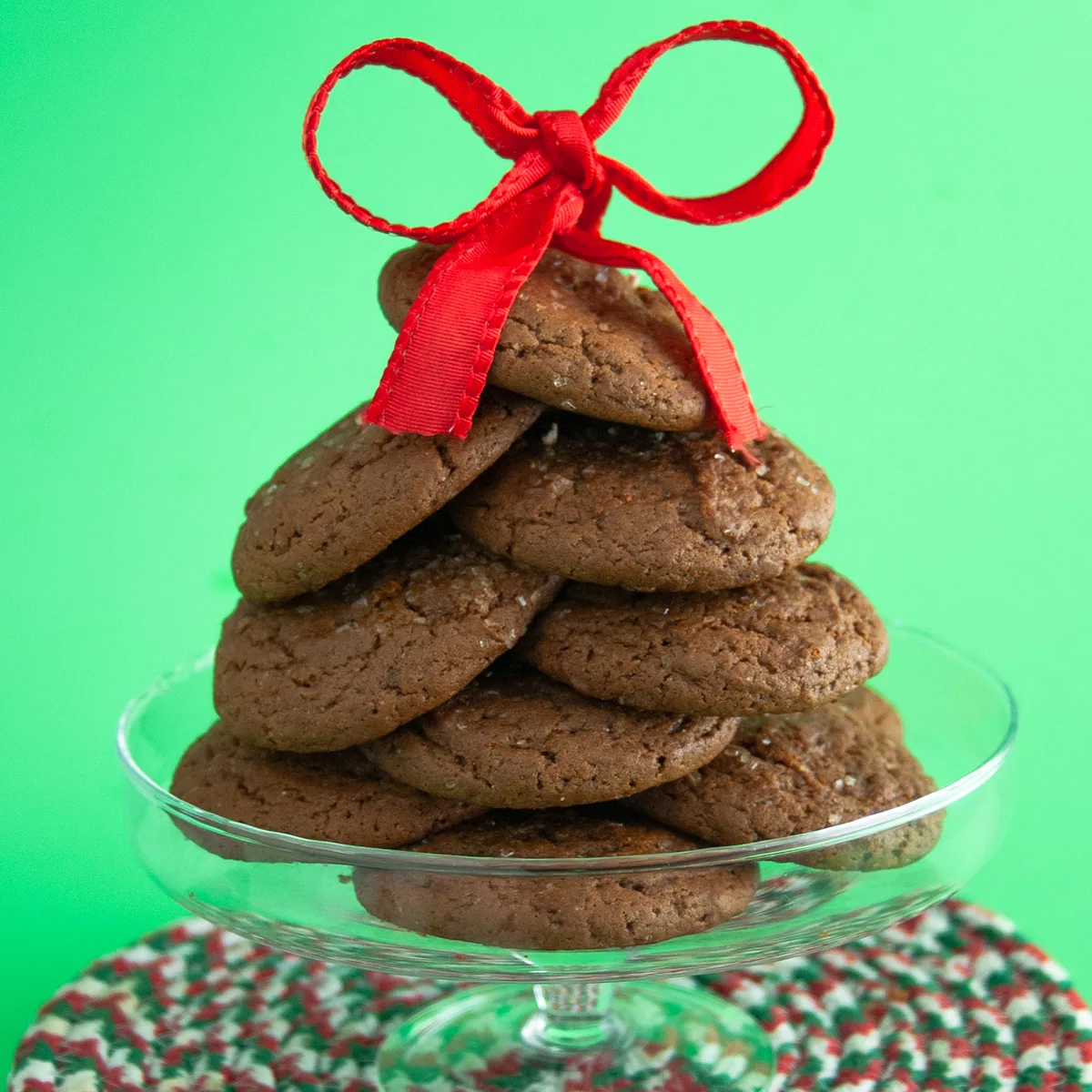
Old Fashioned Molasses Cookies
Last updated on August 3rd, 2026
Table of contents
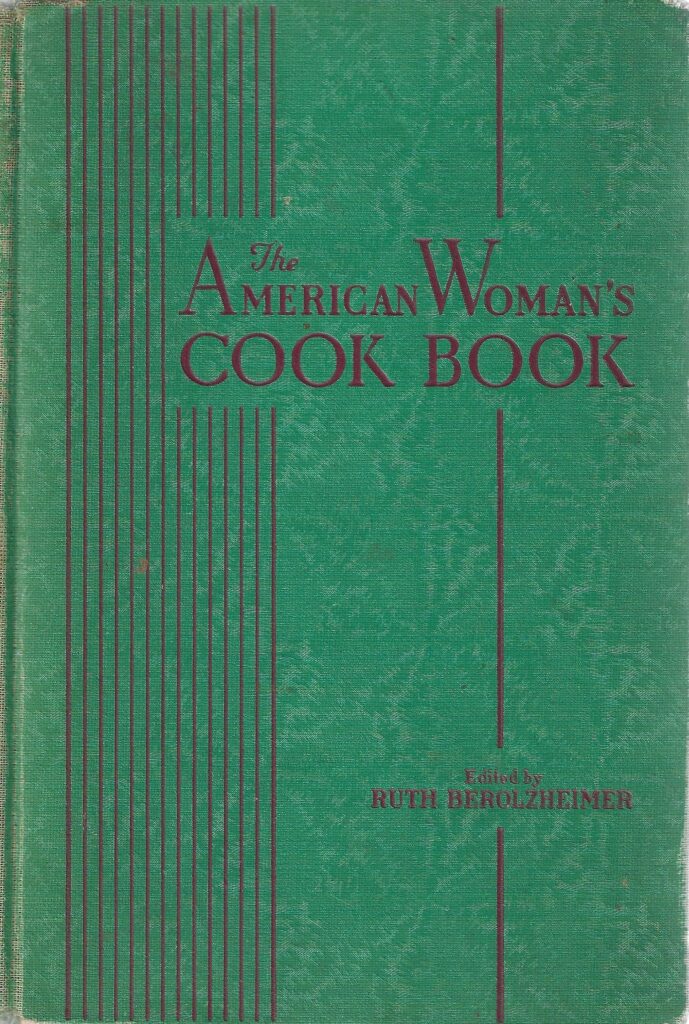
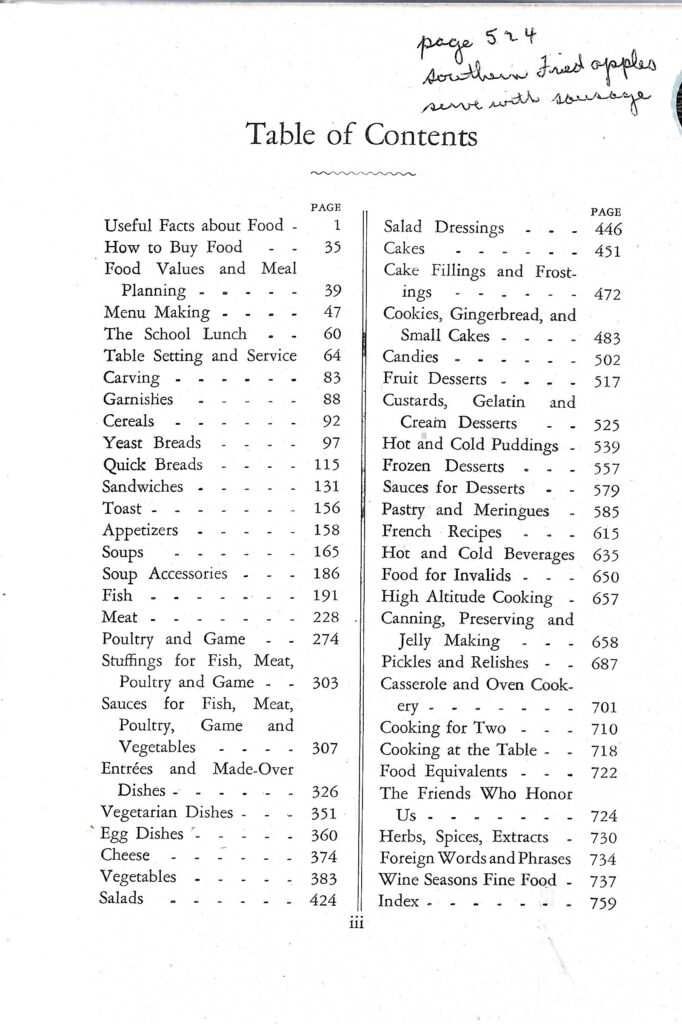
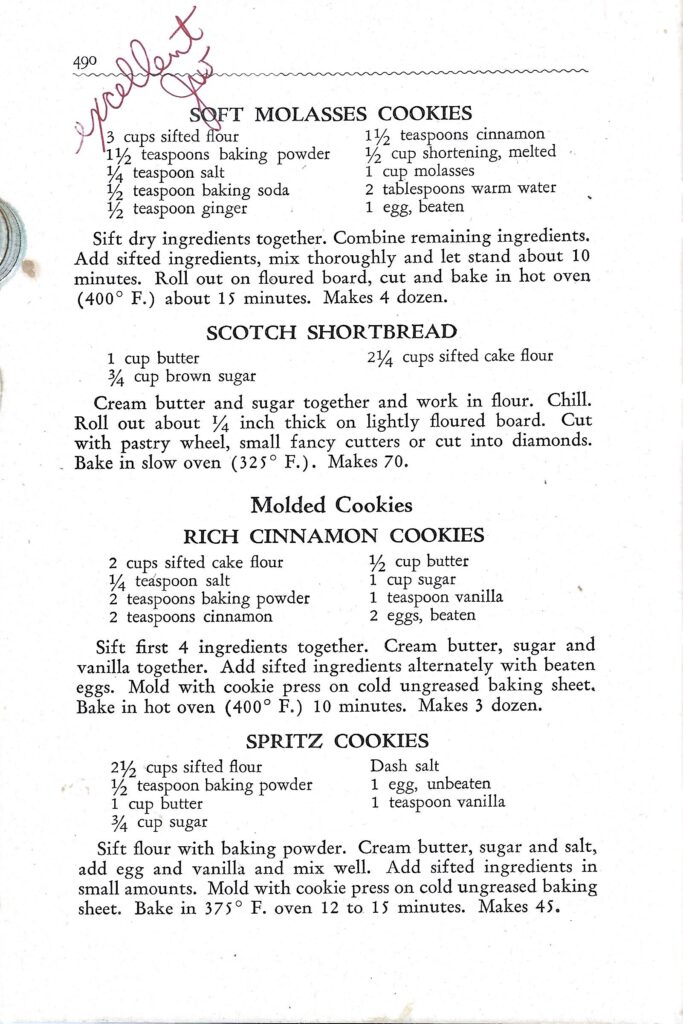
Old Fashioned Molasses Cookies blend warm spices and spicy molasses and yield a soft tender, cake-like texture from the buttermilk. My vintage inspiration for this recipe is passed down from my Nana. My vintage inspiration for these vintage cookies is from an original recipe for soft molasses cookies. I’ve included one of my favorite original recipes for soft molasses cookies that has my Nan’s handwritten note: “Excellent” with her initials. She gave me this cookbook and said my dream for you is to open your own bakery…here is some inspiration to guide you…(tears welling as I write this…as a side note I’ve owned my own bakery for 13 years.)
My vintage inspiration…
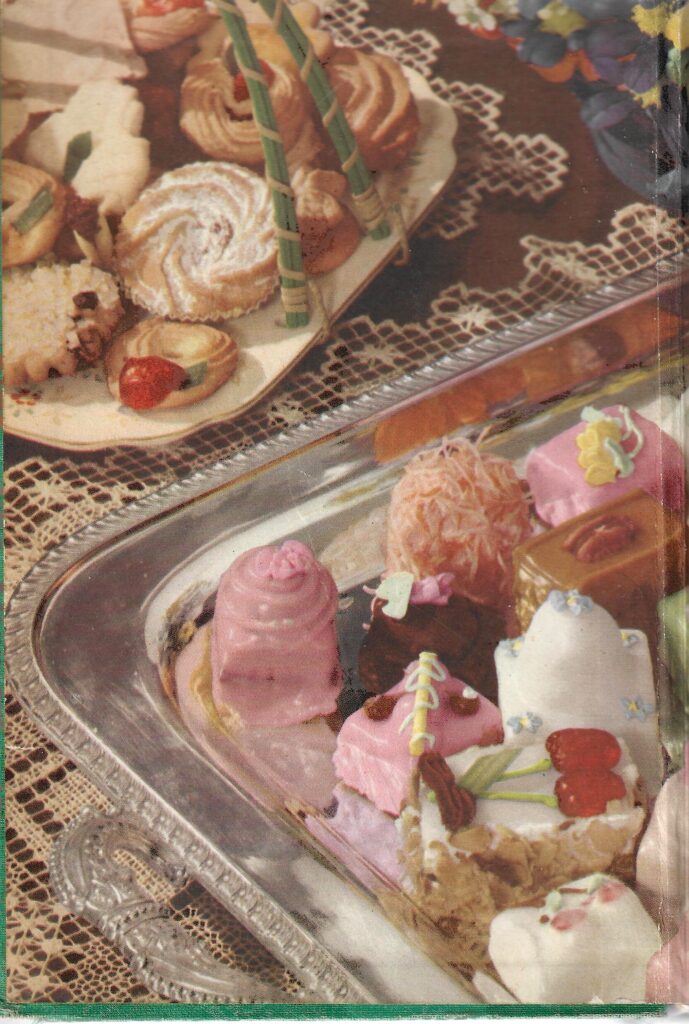
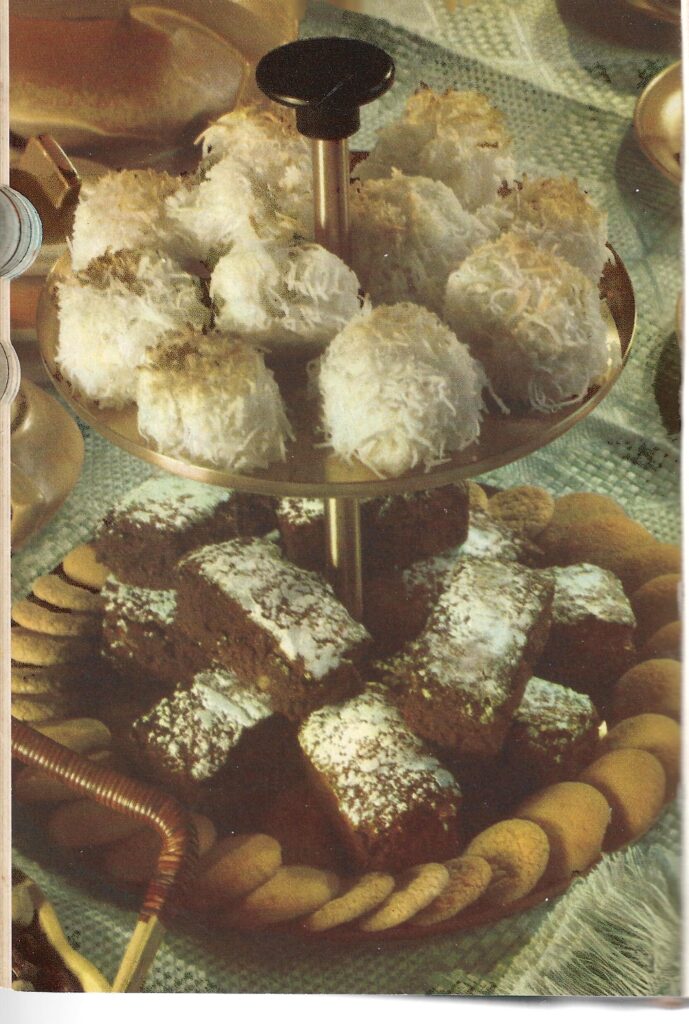
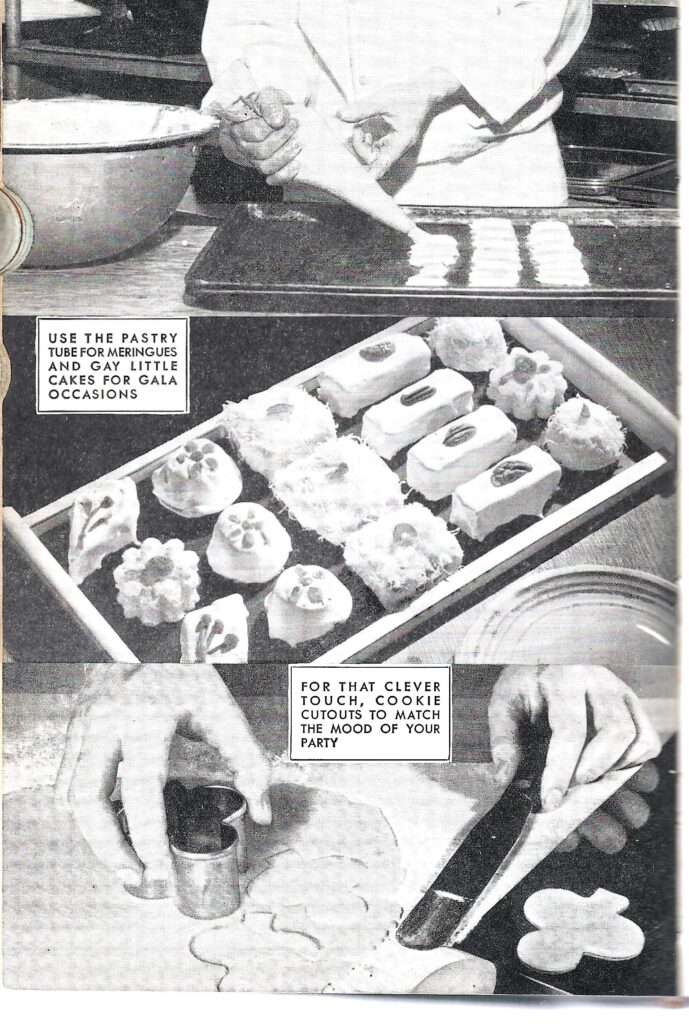
The American Woman’s Cook Book (1942), is a beloved classic cookbook that guides home cooks with recipes from hearty entrees and side dishes to food preservation, baked goods, and more! This vintage cookbook, compiled by Ruth Berolzheimer and published by the Culinary Arts Institute, helps home cooks preserve culinary practices of the 1940’s with simple, scratch-made food. This book quickly became a household staple, cherished for its clear instructions, tips, and reliable recipes.

Ingredients to make Molasses Cookies
Dry Ingredients
- Unbleached flour is made from ground wheat kernels with the bran and germ removed. It has a moderate protein content of 10-12%, making it a versatile option for most baked goods.
- Cornstarch is made from the starchy center of dried corn kernels and often used as a thickener in pie fillings and lightens the texture of baked goods.
- Baking soda (sodium bicarbonate) is a leavening agent that reacts with acidic ingredients (like lemon juice, buttermilk, or vinegar) creates carbon dioxide gas to make baked goods rise.
- Baking powder is a leavening agent that contains both an acid (cream of tarter) and a base (baking soda) to help baked goods rise. Use a double-acting, aluminum-free baking powder to avoid a bitter aftertaste.
- Pink salt is a type of rock salt found near the Himalayas, that is minimally processed and contains trace minerals.
- Cinnamon comes from dried bark from the tropical Asian cinnamon tree and is available as whole cinnamon sticks or ground. There are two types: Cassia which has a warm, sweet flavor, and Ceylon known as “true cinnamon”, which has an intense spicy bite.
- Nutmeg is a warm spice that comes from the nutmeg tree in the Spice Islands. It is available as whole nutmeg, grated or pre-ground.
- Ginger is a root from a plant grown in Southeast Asia. Ginger can be found in a variety of ways such as the dried or fresh root, ground, or crystallized (candied) pieces.
Wet Ingredients
- Butter is made from churned cream that contains 80% butterfat. European butter is churned longer and has a higher fat content (82%-85%), which is why it yields more flavor.
- Eggs are produced by chickens and provide structure and stability in baking, while their proteins trap air, creating natural leavening.
- Sugar is a made by processing the juice of the sugarcane plant. Cane sugar is a natural option that is less processed with a slightly courser texture.
- Buttermilk is a cultured dairy product that adds a tangy flavor and creates tenderness in baked goods. When purchasing buttermilk, look for simple, natural ingredients such as “cultured milk”.
- Vanilla provides warm notes of caramel and spice, enhancing the depth of flavor in baked goods. Choose a pure, all-natural extract made from real vanilla beans with at least 35% alcohol.
Make your own ingredients
Vanilla: Purchase Grade B vanilla beans (also called extract-grade), which have less moisture and a more concentrated flavor. Place 8 oz. of bourbon (or vodka) in glass bottle or jar. Split 5 – 7 vanilla beans down the middle and add to bottle. Store in a cool, dark place for 3 – 6 months before using. It will keep for many years, so as you use it, just top off with more bourbon and more beans.
Buttermilk: Add 1 T. vinegar or lemon juice into a liquid measuring cup and add cream or whole milk until it reaches the 1 c. measure line and let it sit for a few minutes before use. Another option is to keep dry buttermilk in your pantry and just whip up as needed.
My modern updates included adding m ore flour, adding buttermilk, adding more fat, used butter instead of shortening, and doubled the spices.
- For thick cookies: chill the batter and bake on Silpat baking mat and bake on Silpat baking mat to ensure less spread.
- For thin and crispy cookies: scoop out cookie dough and put straight into the oven and use parchment paper and scoop cookie dough and put them right into the oven as it will create more spread.
- For even browning, place only 2 cookie sheets in the oven at the same time. Place the cookie sheet horizontally and rotate them halfway through the baking process. To rotate, spin the cookie sheets around 180° and swap the cookie sheets from top to bottom and vice versa.
- Chilling the dough will help meld the spices together and also prevent your cookies from spreading out. If these cookies spread too much they loose the soft, cake-like, texture. Let the batter sit about 15 minutes after chilling to make it easy to scoop.
Dietary Substitutions
For the past 12+ years, I have owned an all-natural specialty bakery converting conventional recipes to gluten free, vegan, wholesome, etc. You can read more about my pro-baking here.
Here are a few basic tips when converting conventional recipes into specialty baked goods.
- Shelf Life: Specialty baked goods tend to dry out faster and have a shorter shelf life than conventional baked goods. Store in an airtight container on counter for 1 – 2 days. For longer storage, freeze up to 6 months. Avoid refrigerating, as it can dry out baked goods.
- Let Batter Rest: Alternate flours can be dense or slightly gritty compared to white flour, so be sure to let the batter rest at least 15 minutes or overnight in the refrigerator before baking. This allows the flour to fully hydrate and produce a lighter, tender crumb.
- Oven Temperature: Alternative flours are delicate and tend to brown faster before the center is cooked through. Reduce oven to 325° and bake “low and slow,” adding a few extra minutes of bake time if needed.
Gluten-Free (no gluten)
- Flour: Swap out the flour with a premium gluten-free flour such as King Arthur Measure for Measure or use a homemade gluten-free flour blend. Be sure the flour blend contains xanthan gum or add 1/4 tsp. to 1/2 tsp. per every 1 cup of flour to the recipe.
- Hydration: Gluten free flours can make baked goods dense. Add 1 tablespoon of additional extra liquid (the same liquid called for in the recipe) to help lighten the texture.
- Fat: Add up to 1 to 2 Tbsp of additional fat, such as butter or oil to the recipe.
Vegan/Dairy Free (no animal products)
- Butter: Use unsalted vegan butter sticks such as Violife for best flavor and texture.
- Dairy: Replace dairy with unsweetened plant based milk such as oat, coconut or almond milk.
- Eggs: Replace each egg by adding 1 tsp. baking soda to the batter, then pour 1 Tbsp. white vinegar over it. Add the vinegar last though, to keep the leavening reaction.
- Fat: Add up to 1 to 2 Tbsp of additional fat like oil or vegan butter to the recipe.
Wholesome (minimally processed)
- Flour: Swap out 1/3 to 1/2 of the white flour with King Arthur white whole wheat flour or King Arthur 100% whole wheat flour or Bob’s oat flour.
- Sweetener: Replace white sugar with maple syrup or honey. Use 3/4 c. honey for every 1 c. sugar. You can also swap out the white sugar with 1:1 swap using natural cane sugar, coconut sugar or date sugar.
- Dairy: Replace dairy with unsweetened plant based milk such as oat, coconut or almond milk.
- Lower Fat: For every 1 c. of butter, use 3/4 c. heart-healthy oil (like canola or extra-light olive) OR 1/2 c. unsweetened applesauce + 1/2 c. oil.
Storage & Freezing
Baked: Store the baked loaf in an airtight container at room temperature 2 – 3 days. For longer storage, wrap the loaf tightly in plastic wrap and then put in a freezer-safe container or vacuum-sealed bag for up to 6 months. To thaw, keep in the container at room temperature about 30 minutes before opening to prevent condensation.
Batter: Refrigerate batter in a sealed container for 3 – 5 days. If using fresh fruit or other mix-ins, fold them in just before baking to prevent staining or excess moisture.
FAQ’s
Many vintage recipes call for shortening, however, I only use real butter as I prefer an all-natural taste. Shortening has a waxy texture and lack of flavor. Butter is made up of 80% fat and 20% water, and shortening is 100% fat, so I added an extra 1/4 c. of butter since the original recipe called for 1/2 c. shortening. You could also use a premium brand like Land-O-Lakes or Challenge which are European styles and contains 82-83% fat vs. other conventional brands.
There are 3 types of conventional molasses: regular, robust, and blackstrap. The sugar content varies from the way in which it was processed. So the lighter the molasses, the sweeter it tastes. When measuring out molasses, lightly spray the liquid measuring cup with canola spray. This will ensure your molasses will pour out easier and you will get every drop measured out. Be sure to use good quality natural molasses like Grandma’s brand original.
Always use light-colored, aluminum cookie sheet. Dark cookie sheets conduct more heat off the surface, which may burn or darken on the edges before they are fully cooked through.I use Nordic Ware aluminum 18×13 half-sheet pans lined with parchment paper.
Old Fashioned Molasses Cookies
Ingredients
DRY INGEDIENTS
- 2 ¾ c. unbleached flour
- 2 Tbsp. cornstarch
- 2 tsp. baking powder
- 1 tsp. baking soda
- 2 tsp. cinnamon
- 1 ½ tsp. ginger
- 1 tsp. salt
- ¼ tsp. nutmeg
WET INGREDIENTS
- ¾ c. unsalted butter
- 1 c. molasses (robust)
- ½ c. sugar
- ¼ c. buttermilk
- 2 eggs
- 1 ½ tsp. vanilla
Instructions
PREP
- Whisk together dry ingredients in a bowl.
- Line cookie sheets with parchment paper.
BATTER
- Cream butter and sugar until fluffy and light in color. Add eggs, molasses, and vanilla and mix together.
- Add in dry ingredients and mix together until batter just comes together. Chill 30 minutes to overnight to let flavors meld together.
- Scoop batter into balls using a medium cookie scoop. Roll balls into a bowl of white sanding sugar. Place cookies on baking sheet 1# apart.
BAKE
- Bake cookies at 350° for 12 minutes.
- Let cookies cool and store in sealed container on counter 2-3 days or in freezer up to 6 months.
Related Recipes
More Christmas Cookie Recipes
1940’s Vintage Cookbooks
Nothing Found
It looks like nothing was found.
Tried this recipe? Leave a comment below!
Follow us on social to see more of our cozy collection curated for nostalgic bakers who love looking at vintage cookbooks, original vintage recipes, and retro magazine clippings.
This post includes my photographs and limited text excerpts from The American Woman’s Cook Book (1942), used for identification, commentary, and historical discussion. The cookbook content shown is attributed to the original publication. All modern commentary, recipe adaptations, baking notes, and original food photography are © Vintage Baked Modern LLC.
The dietary variations such as gluten-free, dairy-free, and vegan options, are provided as general baking suggestions based on my recipe testing and professional baking experience. I am not a registered dietitian or medical professional. Be sure to verify product labels and consult a qualified professional regarding allergies, medical conditions, or individual dietary needs.

Would this dough be okay with rolling and using a cookie cutter?