
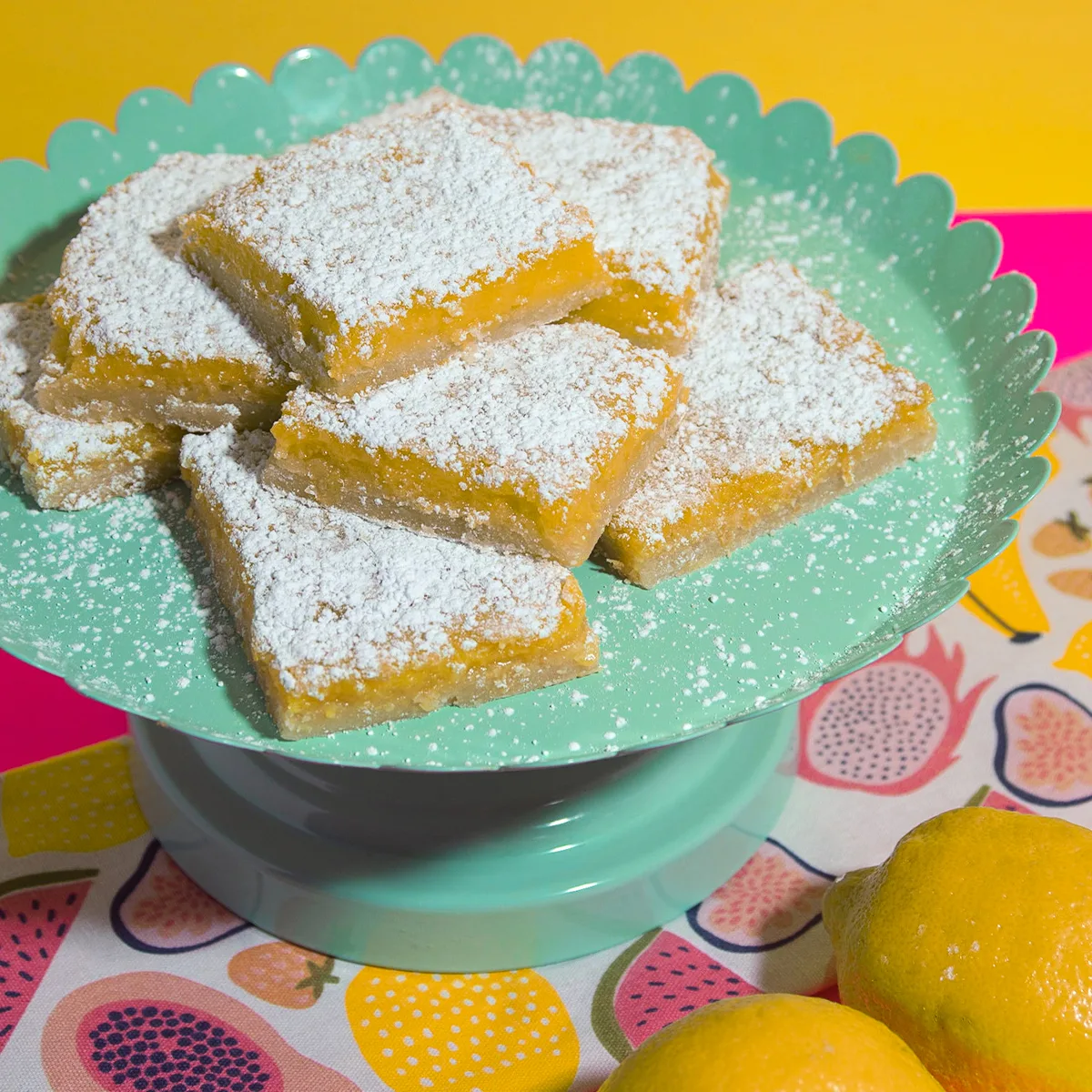
Old Fashioned Lemon Squares
Last updated on August 4th, 2026
Table of contents
These Old Fashioned Lemon Squares have a tart, tangy, sweet curd-like filling layered over a rich, buttery shortbread crust. This melt-in-your-mouth vintage lemon bar recipe from my Betty Crocker cookbook collection, has become one of many family favorites passed down through generations. Perfect to make up a tray for an Easter or Spring gathering or take to a summer family reunion.
This classic gets a Vintage Baked Modern update with these tweaks – doubled the recipe, used salted butter for the shortbread crust, added instant clearJel to stabilize the filling, added lemon zest to both the crust and to filling to enhance the flavor, and added small amount of lemon extract for a bright flavor burst. I’ve also added dietary substitution options (gluten-free, vegan, keto, and more) so everyone at your table can enjoy them!
Inspired by a classic recipe in my 1969 “Betty Crocker’s Cookbook,” this recipe brings back a beloved bar you’ve had a gatherings for decades. Betty Crocker’s Cookbook (1969) is your ultimate guide to find easy-to-follow, simple recipes for everything from cooking family dinner, baking bread, or making desserts, this vintage cookbook has you covered.
I’ve included original recipe for lemon squares and strawberry shortcake. Be sure to check out my vintage inspired modern takes on these classic recipes.
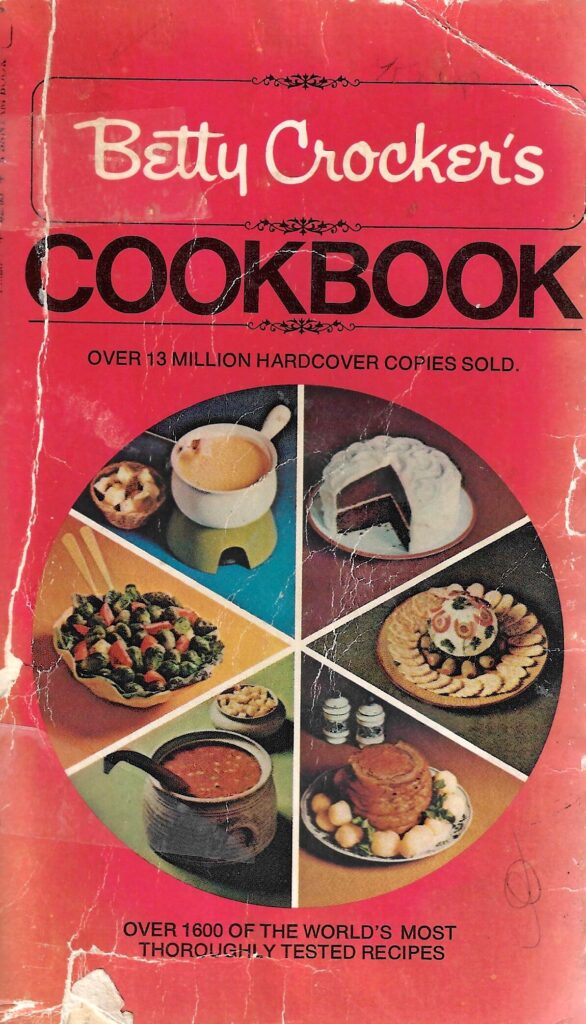

Try another recipe inspired by the book old fashioned strawberry shortcake
Ingredients for Lemon Bars
Bottom Layer
- Butter is made from churned cream that contains 80% butterfat. European butter is churned longer and has a higher fat content (82%-85%), which is why it yields more flavor.
- Sugar is derived from sugarcane and provides sweetness to baked goods. The most common type being granulated white sugar. Cane sugar is a natural option that is less processed with a slightly courser texture.
- Confectioners’ sugar, also known as powdered sugar, is made from finely ground granulated sugar mixed with a small amount of cornstarch to prevent clumping. Its fine texture, makes it perfect for smooth frostings and glazes on baked goods.
- All-purpose unbleached flour is made by grinding the seeds of the wheat plant and removing the bran and germ. It has a moderate protein content of 10-12%, making it a versatile option for baking cookies, cakes, and pastries.
- Lemons are a tart, citrus fruit that grow on trees in warm climates. Place lemons on the counter the day you plan to use them, as they will yield more juice at room temperature.
Top Layer
- Eggs are produced by female chickens and are important in baking because their proteins provide structure, they act as a natural leaving agent by trapping air that expands during baking, and they add moisture to baked goods.
- Baking powder: Baking powder is a leavening agent that contains both an acid, like cream of tarter, and a base, like baking soda to help baked goods rise. Use a double-acting aluminum-free baking powder to avoid a bitter aftertaste.
- Instant ClearJel is a modified food starch used as a thickener, stabilizer, and gelling agent, used for pie fillings creating a clear, smooth texture rather than cloudy. In baked goods it helps retain moisture and produces a light, tender texture. Use cornstarch as a substitution if ClearJel is hard to find. For every 1 T. of cornstarch, use 1 1/2 T. ClearJel. For every 2 T. flour or tapioca, use 1 T. ClearJel. You can find it online here.
- Lemons are a tart, citrus fruit that grow on trees in warm climates.
- Lemon extract is a natural flavoring made from lemon zest and alcohol. Use just a small amount to add a bright, zingy flavor to baked good recipes.
- Pink salt is a type of rock salt that contains trace minerals, adding nutrients to baked goods.
How to zest & juice citrus:
- To juice the lemon, use a hand-held lemon squeezer or a vintage style glass citrus reamer with bowl.
- Using lemons in baked goods will offer a bright, zingy flavor and their natural acidity will activate leavening like baking soda or baking powder to ensure a light and tender rise.
- Put lemons on the counter the day you plan to use them as room temperature lemons yield more juice than ones straight out of the fridge.
- Be sure to remember to zest your lemon before you juice it. The easiest way to zest a lemon is to use a Microplane.
A 1960’s vintage recipe baked modern
Step #1:
Grease the cake mold really well with cooking spray and a light dusting of flour to ensure easy release. Pre-heat oven to 350° Zest and juice the lemons.
Step #2:
Mix together ingredients for the bottom layer.
Step #3:
Mix together the ingredients for the top layer. Bake and let cool. Decorate with dusted powdered sugar. Slice and serve. Let squares cool for 1-2 hours and sprinkle with powdered sugar.
Step #4:
When serving the squares, dip knife into hot water before slicing to prevent from sticking to the filling. It is best to clean-off your knife in between cutting the slices as the filling will be sticky. Place on a plate and dust again with a little more powdered sugar.
Dietary Substitutions
Gluten-Free (no gluten)
- Flour: Swap out the flour with a premium gluten-free flour such as King Arthur Measure for Measure or use a homemade gluten-free flour blend. Be sure the flour blend contains xanthan gum or add 1/4 tsp. to 1/2 tsp. per every 1 cup of flour to the recipe. Here is a list of some other gluten-free flours to try.
- Hydration: Gluten free flours can make baked goods dense. Add 1 tablespoon of additional extra liquid (the same liquid called for in the recipe) to help lighten the texture.
- Fat: Add up to 1 to 2 Tbsp of additional fat, such as butter or oil to the recipe.
Vegan/Dairy Free (no animal products)
- Butter: Use unsalted vegan butter sticks such as Violife for best flavor and texture.
- Dairy: Replace dairy with unsweetened plant based milk such as oat, coconut or almond milk.
- Eggs: Replace each egg by adding 1 tsp. baking soda to the batter, then pour 1 Tbsp. white vinegar over it. Add the vinegar last though, to keep the leavening reaction.
- Fat: Add up to 1 to 2 Tbsp of additional fat like oil or vegan butter to the recipe.
Wholesome (minimally processed)
- Flour: Swap out 1/3 to 1/2 of the white flour with King Arthur white whole wheat flour or King Arthur 100% whole wheat flour or Bob’s oat flour.
- Sweetener: Replace white sugar with maple syrup or honey. Use 3/4 c. honey for every 1 c. sugar. You can also swap out the white sugar with 1:1 swap using natural cane sugar, coconut sugar or date sugar.
- Dairy: Replace dairy with unsweetened plant based milk such as oat, coconut or almond milk.
- Lower Fat: For every 1 c. of butter, use 3/4 c. heart-healthy oil (like extra-light olive) OR 1/2 c. unsweetened applesauce + 1/2 c. oil.
Storage
If Baked: Cover in air-tight container and leave on counter up to 3 days. To freeze, cut into squares and freeze in a storage container with parchment paper layers between the cut squares.and place in freezer-safe container up to 6 months. Thaw on counter in the container for 30 minutes before opening up the container.
FAQ’s
There are a few options to try: line the pan with parchment paper so you can pull out of pan, use a sharp knife and wipe clean between each slice, use a plastic knife or blade to slide through the bars.
Fresh lemon is the best as it will provide fresh taste and you can use the zest from the lemon for more flavor. If you use bottled lemon juice, be sure to use one with no added sweeteners.
Yes, just wrap with plastic wrap and store baked crust up to 3 days on the counter or freeze up to 6 months.

Old Fashioned Lemon Squares
Equipment
- Stand Mixer
- 8 x 8 baking pan
Ingredients
SHORTBREAD CRUST
- 2 c. unbleached flour
- ¼ c. sugar
- ¼ c. confectioner sugar
- 1 c. salted butter room temp
- 1 T. lemon zest
FILLING
- 1 ¾ c. sugar
- 4 eggs
- ⅓ c. lemon juice
- 1 T. cornstarch
- 1 T. lemon zest
- 1 tsp. baking powder
- ½ tsp. salt
- ¼ tsp. lemon extract
Instructions
PREP
- Preheat oven to 350°.
- Grease 8 x 8 pan with cooking spray.
- Zest and juice 2 lemons.
SHORTBREAD CRUST
- Cream together butter and sugar into stand mixer. Add flour and lemon zest and pulse until crumbly (cookie dough like texture).
- Pierce with fork and bake at 350° for 20 minutes.
TOP LAYER
- Mix together sugar and eggs until light in color about 3 minutes. Add lemon juice, ClearJel, baking powder, lemon zest, salt, and lemon extract. Mix until just incorporated.
- Pour lemon filling onto baked crust.Bake at 350° for 25 minutes.Allow to cool for at least 1-2 hours.
- After the bars have cooled, sprinkle powdered sugar all over the top and cut into bars into squares.Store in container.
Related Recipes
Bar recipes
Tried this recipe? Leave a comment below!
Follow us on social to see more of our cozy collection curated for nostalgic bakers who love looking at vintage cookbooks, original vintage recipes, and retro magazine clippings.
📌Pinterest 👍Facebook 📷Instagram 🎵 TikTok ▶️ YouTube
This post includes my photographs and limited text excerpts fused for identification, commentary, and historical discussion. The cookbook content shown is attributed to the original publication. All modern commentary, recipe adaptations, baking notes, and original food photography are © Vintage Baked Modern LLC.
The dietary variations such as gluten-free, dairy-free, and vegan options, are provided as general baking suggestions based on my recipe testing and professional baking experience. I am not a registered dietitian or medical professional. Be sure to verify product labels and consult a qualified professional regarding allergies, medical conditions, or individual dietary needs.
