Pineapple Upside Down Cake
Last updated on October 21st, 2025
Table of contents
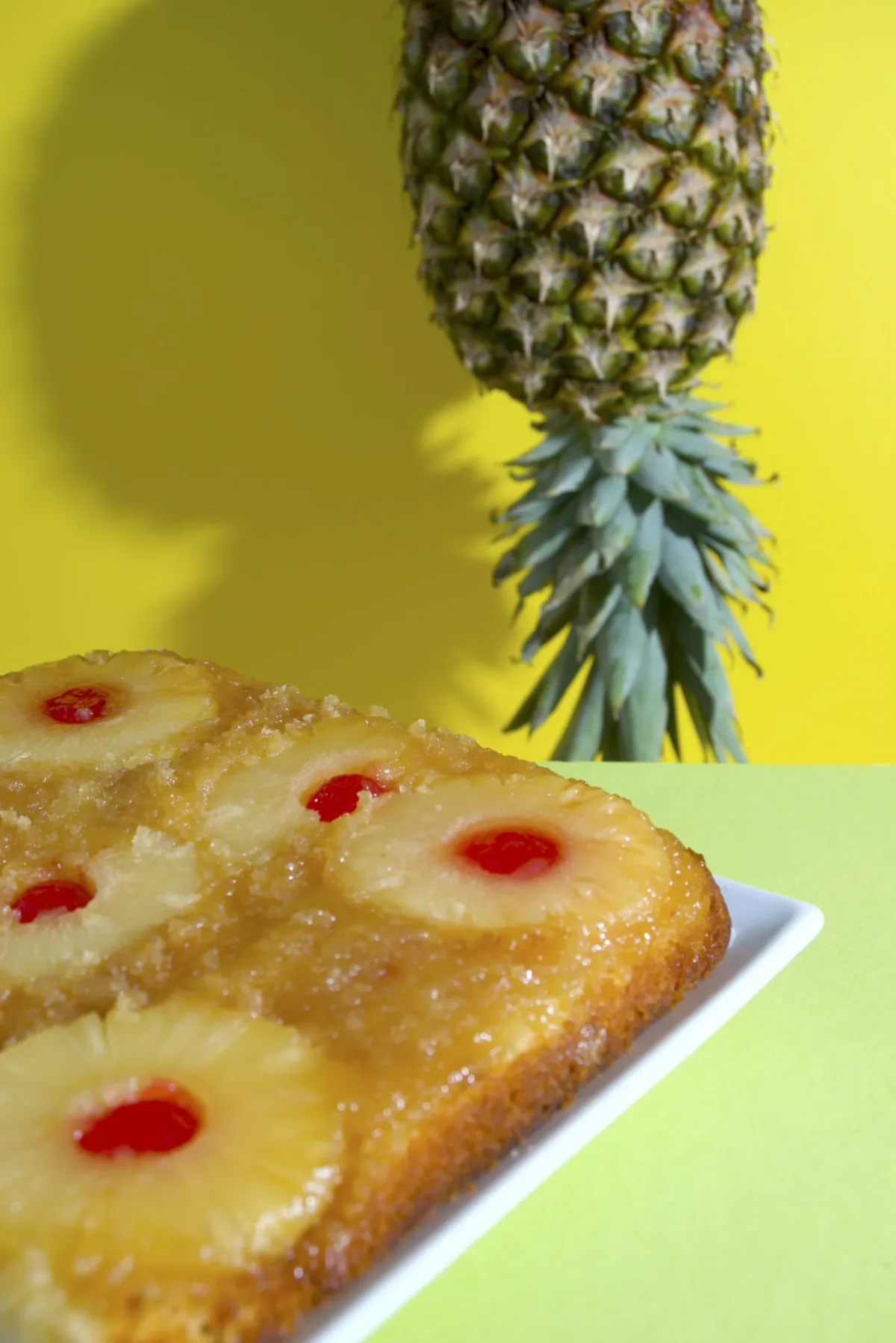
This Pineapple Upside Down Cake is a retro throwback dessert with has a rich, brown sugar glaze over pineapple rings filled with maraschino cherries on top of a tender sponge cake. My vintage inspiration for this pineapple upside down cake recipe is from my 1976 Better Homes & Garden New Cook Book.
Baking it modern…
- doubled the recipe
- added more salt and more vanilla to enhance the flavor
- used a 9×13 pan, instead of a 8×8 square pan
- replaced the shortening with butter
- swapped out the pineapple syrup and water mixture and used buttermilk instead
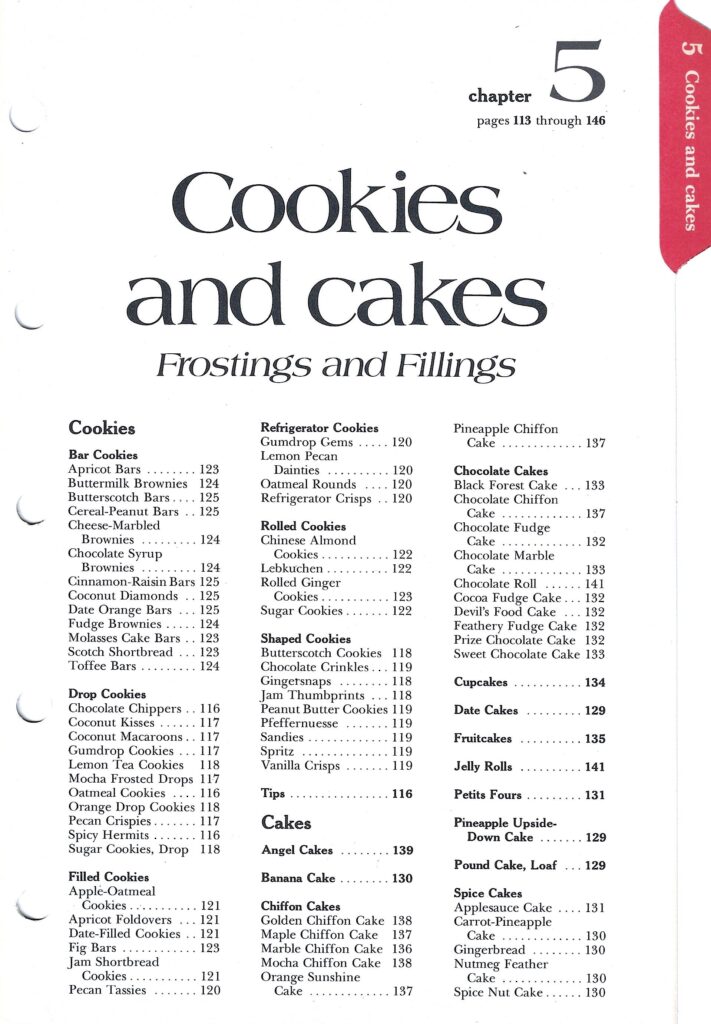
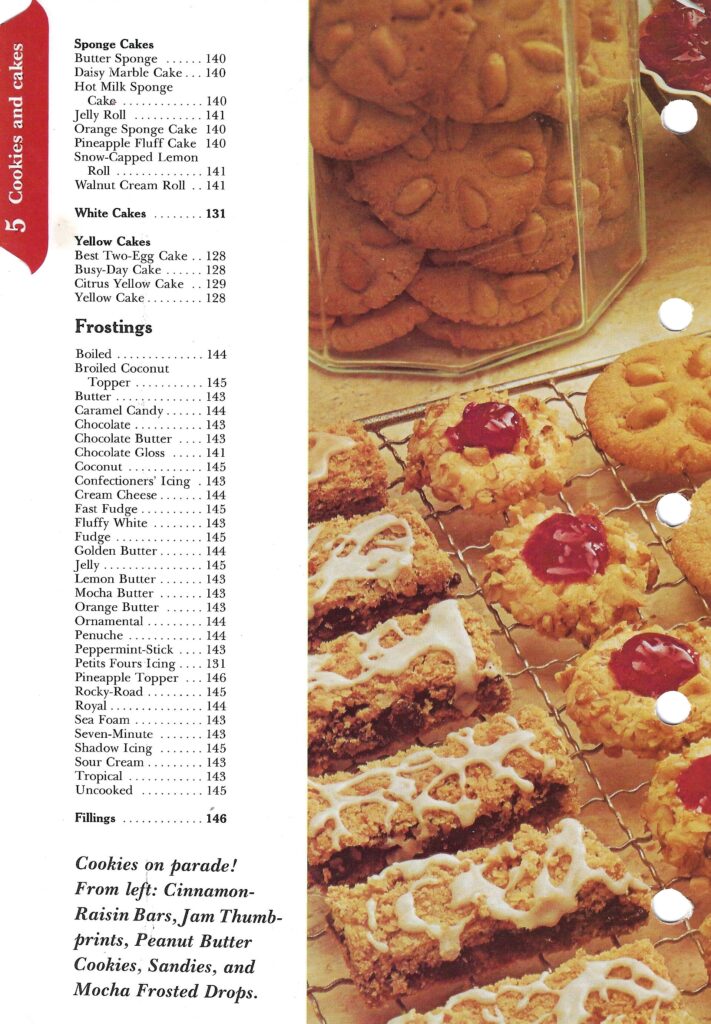
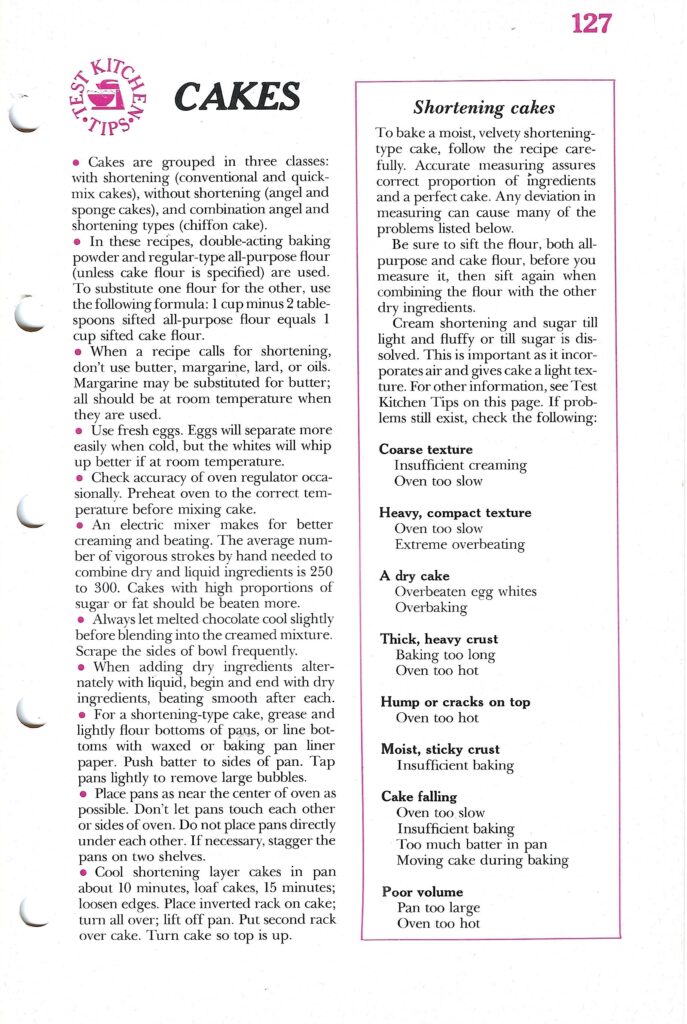
This Better Homes and Gardens New Cook Book (1976), is a beloved classic cookbook that guides home cooks with recipes from entrees, to sides, baked goods and more! This vintage I’ve included classic baking tips for making cakes and original recipe clips for loaf pound cake, yellow cake, and gingerbread. Be sure to check out the vintage frosting recipes too!
I’ve also included my modern take on a retro pineapple upside down cake recipe.


Try another recipe inspired by this book Toffee Pecan Cookies
Ingredients to make Pineapple Upside Down Cake
Wet Ingredients
- Butter is made from churned cream that contains 80% butterfat. European butter is churned longer and has a higher fat content (82%-85%), which is why it yields more flavor.
- Canola oil is perfect for baking as it has a neutral and light flavor. You can swap oil for butter and vice versa as oil provides moisture, and butter provides flavor.
- Sugar is derived from sugarcane and provides sweetness to baked goods. The most common type being granulated white sugar. Cane sugar is a natural option that is less processed with a slightly courser texture.
- Brown sugar is granulated sugar combined with molasses, sold as either light brown sugar (with 3.5% molasses) or dark brown sugar (with 6.5% molasses) for a more robust flavor.
- Buttermilk is a cultured dairy product that adds a tangy flavor and creates tenderness in baked goods. When purchasing buttermilk, look for simple, natural ingredients such as “cultured milk”.
- Eggs are important in baking because their protein provides structure, they are a natural leavener trapping air that expands during baking, and they add moisture to baked goods.
- Vanilla provides hints of caramel and spice, which enhances the depth of flavor in baked goods. Homemade vanilla is best, or use a high-quality, all-natural brand that contains at least 35% alcohol.
- Pineapple is a tropical fruit grown on a pineapple plant commonly sold as chunks, slices, crushed, or tidbits, packed in its own juice or in light or heavy syrup.
- Maraschino cherries are preserved sour cherries sweetened and dyed in a red sugar syrup.
Dry Ingredients
- All-purpose unbleached flour with 10-12% protein, such as King Arthur or Sir Galahad Artisan Flour (its bulk-purchased name) which has 11.7% protein. Avoid bread flour, as its higher protein content (11-14%), develops more gluten, which results in dense baked goods.
- Cornstarch is made from the starchy center of dried corn kernels and often used as a thickener in pie fillings and lightens the texture of baked goods.
- Baking powder is a leavening agent that contains both an acid, like cream of tarter, and a base, like baking soda to help baked goods rise. Use a double-acting aluminum-free baking powder to avoid a bitter aftertaste.
- Baking soda (sodium bicarbonate) is a leavening agent that, when combined with an acid (like lemon juice, buttermilk, or vinegar) creates carbon dioxide gas to make baked goods rise.
- Pink salt adds essential minerals and nutrients to baked goods.
Make your own Ingredients
All of my recipes start with all natural, minimally processed ingredients. If I can’t find a natural option, I often make my own base ingredients for baking recipes.
- Vanilla: Purchase Grade B vanilla beans (also called extract-grade), which have less moisture and a more concentrated flavor. Place 8 oz. of bourbon (or vodka) in glass bottle.
- Buttermilk: Add 1 T. vinegar or lemon juice into a liquid measuring cup and add cream or whole milk until it reaches the 1 c. measure line and let it sit for a few minutes before use.
- Cake Mix: You can also use a basic cake mix for this recipe (just be sure to not add any of the dry ingredients listed above).

Dietary Substitutions
For the past 12+ years, I have owned an all-natural specialty bakery converting conventional recipes to gluten free, vegan, wholesome, etc. You can read more about my pro-baking here.
Here are a few basic tips when converting conventional recipes into specialty baked goods.
- Shelf Life: Specialty baked goods tend to dry out faster and have a shorter shelf life than conventional baked goods. Store in an airtight container on counter for 1 – 2 days. For longer storage, freeze up to 6 months. Avoid refrigerating, as it can dry out baked goods.
- Let Batter Rest: Alternate flours can be dense or slightly gritty compared to white flour, so be sure to let the batter rest at least 15 minutes or overnight in the refrigerator before baking. This allows the flour to fully hydrate and produce a lighter, tender crumb.
- Oven Temperature: Alternative flours are delicate and tend to brown faster before the center is cooked through. Reduce oven to 325° and bake “low and slow,” adding a few extra minutes of bake time if needed.
Gluten-Free (no gluten)
- Flour: Swap out the flour with a premium gluten-free flour such as King Arthur Measure for Measure or use a homemade gluten-free flour blend. Be sure the flour blend contains xanthan gum or add 1/4 tsp. to 1/2 tsp. per every 1 cup of flour to the recipe.
- Hydration: Gluten free flours can make baked goods dense. Add 1 tablespoon of additional extra liquid (the same liquid called for in the recipe) to help lighten the texture.
- Fat: Add up to 1 to 2 Tbsp of additional fat, such as butter or oil to the recipe.
Vegan/Dairy Free (no animal products)
- Butter: Use unsalted vegan butter sticks such as Violife for best flavor and texture.
- Dairy: Replace dairy with unsweetened plant based milk such as oat, coconut or almond milk.
- Eggs: Replace each egg by adding 1 tsp. baking soda to the batter, then pour 1 Tbsp. white vinegar over it. Add the vinegar last though, to keep the leavening reaction.
- Fat: Add up to 1 to 2 Tbsp of additional fat like oil or vegan butter to the recipe.
Keto (low carb, high fat)
- Flour: Swap the white flour for almond flour or coconut flour.
- Sweetener: Replace sugar with Lakanto Monkfruit Sweetener which calls for a 1:1swap that mimics granulated sugar.
- Dairy: Replace dairy with unsweetened plant based milk such as coconut or almond milk.
- Hydration: Almond flour can make baked goods dense. Add 1 -2 tablespoons of additional extra liquid (the same liquid called for in the recipe) to help lighten the texture. Add 1 additional egg to help bind the batter.
- Fat: Add up to 2 Tbsp of additional fat, such as butter or oil to the recipe.
Wholesome (minimally processed)
- Flour: Swap out 1/3 to 1/2 of the white flour with King Arthur white whole wheat flour or King Arthur 100% whole wheat flour or Bob’s oat flour.
- Sweetener: Replace white sugar with maple syrup or honey. Use 3/4 c. honey for every 1 c. sugar. You can also swap out the white sugar with 1:1 swap using natural cane sugar, coconut sugar or date sugar.
- Dairy: Replace dairy with unsweetened plant based milk such as oat, coconut or almond milk.
- Lower Fat: For every 1 c. of butter, use 3/4 c. heart-healthy oil (like canola or extra-light olive) OR 1/2 c. unsweetened applesauce + 1/2 c. oil.
Allergen Free (none of the 9 allergens)
- Flour: Swap out the flour with a premium gluten-free flour such as King Arthur Measure for Measure or use a homemade gluten-free flour blend that does not contain tree nuts or soy. Be sure the flour blend contains xanthan gum or add 1/4 tsp. to 1/2 tsp. per every 1 cup of flour to the recipe. Here is a list of some other gluten-free flours to try.
- Butter: Use unsalted vegan butter sticks such as Violife for best flavor and texture. Add up to 1 to 2 Tbsp of additional fat like oil or vegan butter to the recipe.
- Dairy: Replace dairy with unsweetened plant based milk such as oat or coconut milk. Check the labels to make sure they are soy-free and nut-free.
- Eggs: Replace each egg by adding 1 tsp. baking soda to the batter, then pour 1 Tbsp. white vinegar over it. Add the vinegar last though, to keep the leavening reaction.
- Nuts: Omit all peanuts and tree nuts (almonds, brazil nuts, cashews, hazelnuts, macadamia nuts, pecans, pine nuts, pistachios, or walnuts.
“Bake it Modern” Tips
- Add more flavor to the cakes by increasing the vanilla to a minimum of 1 tsp. up to 3 tsp.
- Increase the warm spices by adding a combination up to 3 teaspoons.
- Swap out vintage cake recipes with butter or oil instead of shortening and increase the amount for our modern taste buds.
- Added instant ClearJel to yield a light and tender cake.
- Use buttermilk in place of water or milk called for in the recipes. This will not only add moisture but it will also enhance it tasting old fashioned.


- Using butter in a cake provides flavor, while adding oil makes it super moist. So even if your cake recipe calls for just butter or just oil, you can combine them together to maintain the flavor from butter and use some oil to keep the texture of baked goods moist. Be sure to use an oil that is has a neutral and light flavor like canola oil or extra light virgin olive oil.
- Set out the eggs before you start baking to come to room temperature. Beat the egg whites first before mixing up the rest of the batter, since they need to be made in a clean, non-greasy bowl to help them “whip” up. Gently fold by hand into the batter to help keep the cake light.
- Keep decorating simple and natural. Use natural ingredients that complement the flavor profile of the cake. In this case, just a dollop of fresh whipped cream would be a great garnish.
FAQ’s
The recipe calls for canned pineapple in syrup, however I prefer to use Dole canned pineapple slices packed in 100% juice so it doesn’t make the cake too sweet. Drain and measure the juice before adding it to the batter to ensure the right balance of moisture added to the cake. Although you may want to use real pineapple, I found out after testing the recipe, not to do so. Reason being, is that fresh pineapple contains enzymes that change texture when baked. During this process, the pineapple releases too much liquid and making the cake soggy.
An aluminum or glass 9×13 is the best cake pan to use for this cake because it helps conduct even heat. I wanted to keep this cake traditional, however, you could always try different sizes of pans as well such as round or even a bundt pan lining the pineapple slices up and around the sides.
My personal preference is when it is warm straight out of the oven, when the butter and brown sugar have caramelized. However, when served at room temperature you can appreciate the light and tender cake hidden beneath the topping.

Pineapple Upside Down Cake
Ingredients
BOTTOM LAYER
- ½ c. butter
- ¾ c. brown sugar
- 9 pineapple slices drained, reserve juice
- 9 jumbo maraschino cherries (whole)
DRY INGREDIENTS
- 1 ¾ c. unbleached flour
- 1 T. cornstarch
- 1 c. sugar
- 2 tsp. baking powder
- ½ tsp. baking soda
- 1 tsp. salt
WET INGREDIENTS
- ¼ c. butter
- 2 T. oil
- 2 eggs
- 2 tsp. vanilla
- ½ c. pineapple juice reserved from can
- ½ c. buttermilk or sour cream
- 2 tsp. vanilla or rum
Instructions
PREP
- Pre-heat oven to 350°.
- Drain pineapple slices, and pour the juice into a liquid measuring cup (save for batter).
- Mix together dry ingredients and set aside.
BOTTOM LAYER
- Place butter in a 9×13 pan and put in oven for 3 minutes until melted together. Take out of oven and stir in the brown sugar.
- Add the slices of pineapple onto the melted mixture. Place a cherry in the center of each pineapple slice.
CAKE BATTER
- Cream together the butter and sugar. Add eggs, oil, and vanilla and mix until light and fluffy.
- Add in the dry ingredients and mix until combined.
- Add buttermilk and pineapple juice. Pour cake batter on top of the pineapple slices.
BAKE
- Bake at 350° for 35-40 minutes. Let cake cool about 10 minutes before inverting out onto a platter. Serve with a dollop of whipped cream (optional)
Related Recipes
More Cake Recipes
1970’s cookbooks
Tried this recipe? Leave a comment below!
Follow us on social to see more of our cozy collection curated for nostalgic bakers who love looking at vintage cookbooks, original vintage recipes, and retro magazine clippings.
This post may contain affiliate links. As an Amazon Associate, I recommend products I like to use or suggest and may receive a small commission at no cost to you. Please see my full disclosure for more details.
This post includes original cookbook images and text excerpts shared for educational and historical purposes. All rights belong to the original publisher.
Any commentary, notes, or recipe adaptations are my own and reflect my professional baking experience in an FDA-inspected, commercial kitchen. I am not a licensed medical professional and do not provide medical advice.
All modern recipe adaptations and photography © 2025 Vintage Baked Modern LLC. Please do not copy or reproduce without permission.
